 MarketClaims
The MarketClaims Brief · Published research
Iran charges Hormuz fees by December 31?
30 dated claims from 19 publishers are collected below, each with its source. 4 point toward YES and 0 against it; the rest are context. The research behind this brief is dated 10 November 2026. No direction or probability is published here: the claims and their sources are the brief.
Geopolitics brief. Evidence collected, research dated and published .
This is an older research snapshot. It may miss subsequent developments.
What the evidence does
- 4
- Toward yes
- 0
- Against yes
- 26
- Context
How this market settles
What could still go wrong
- 'Consensus of credible reporting' is subjective — no specific number of sources or named outlets defined, leaving room for dispute about what constitutes consensus
- 'Official announcement from the Iranian government' is not tied to a specific government body or official channel, creating ambiguity about which Iranian entities qualify
- The deadline timezone is specified as ET but the end date metadata is in UTC (2027-01-01T04:59:00Z), which could cause confusion about the exact cutoff moment
- The year of the end date (2027) appears inconsistent with a 'December 31' deadline that might be intended for 2024 or 2025, creating ambiguity about which December 31 is the target
- 'Mandatory in practice' is a functional rather than formal standard, requiring interpretation of real-world enforcement that may be difficult to assess definitively
- The phrase 'defined subcategory of commercial vessels' leaves open what constitutes a sufficiently defined subcategory versus an arbitrary grouping
Evidence you can inspect These labels describe how a claim relates to the question. They are not recommendations or independent votes.
Evidence supporting YES 4 claims
Source publicationतरुण भरत दैनिकpublished Toward yesIndian and Chinese ships will have to pay a fee to pass through the Strait of Hormuz, while Qatari ships can use this route without any charges
तरुण भरत दैनिक published Source publicationargusmedia.compublished Toward yesA shipbroker indicated that some vessels crossing the Strait of Hormuz with Iranian coordination are paying Tehran a fee for safe passage
argusmedia.com published Source publicationIraqi Newspublished Toward yesIt remains uncertain whether Iraqi vessels will be required to pay transit fees, as Iran plans to collect these fees from some nations
Iraqi News published Source publicationAmbreypublished Toward yesThe PGSA has warned that designated vessels face restrictions on future 'unauthorised' Strait of Hormuz (SOH) passages, including fines, detention, or confiscation
Ambrey published
Evidence challenging YES 0 claims
No claims in this category. Absence here is a coverage limit, not a finding.
Context 26 claims
 Context
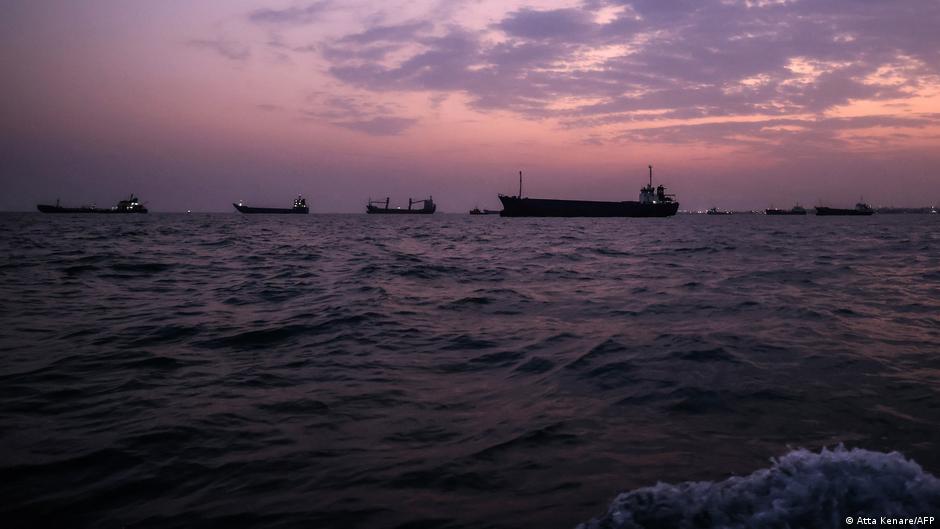
Since the Iran war started, attacks on commercial ships in the Strait of Hormuz have put crews at risk of death and injury
Deutsche Welle published 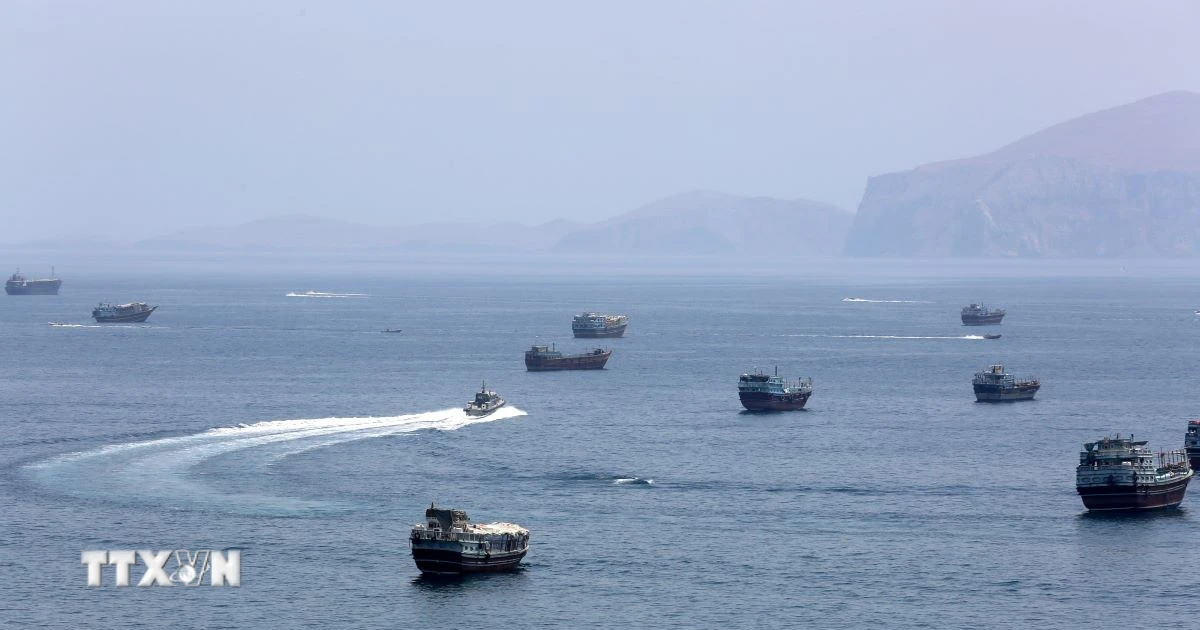 Context
The US military, through CENTCOM, has provided escort support for over 3,000 commercial vessels transiting the Strait of Hormuz safely in the past six months
VietnamPlus published 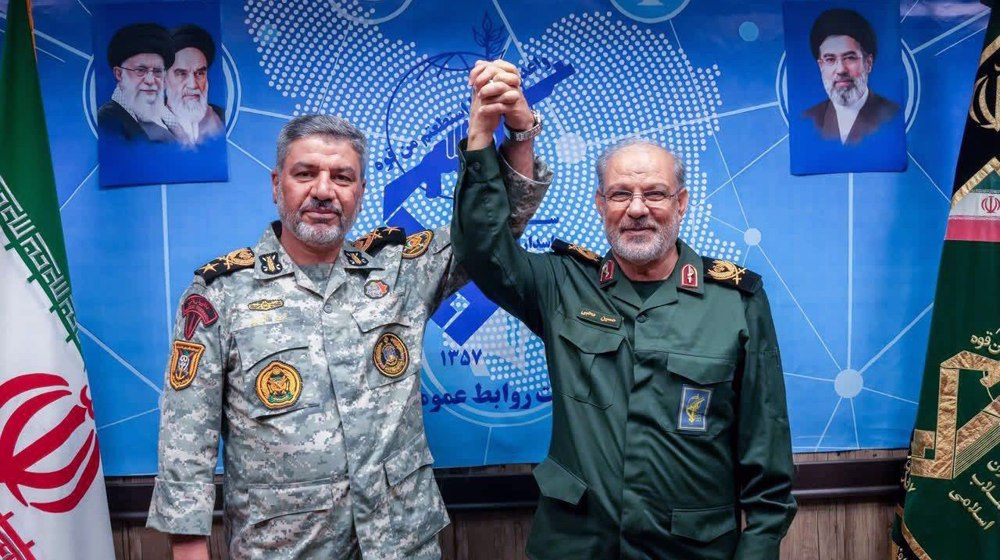 Context
The practical risk of attack remains tied to Strait of Hormuz transit activity, with 'unauthorised' SOH transits being the primary driving factor behind Iranian targeting decisions
Ambrey published Source publicationDeutsche Wellepublished ContextAli Mohammadi told DW, "Even if a complete closure of the Strait of Hormuz were possible, it would not be sustainable because it could carry high political costs for Iran
Deutsche Welle published Source publicationDeutsche Wellepublished ContextAli Mohammadi stated, "Iran's limitation in the Strait of Hormuz is economic rather than military, because continuing the war has a significant impact on its economy
Deutsche Welle published Source publicationDeutsche Wellepublished ContextIran's ability to sustain attacks and the limits of US protection will determine how much trade can continue through the Strait of Hormuz and at what price
Deutsche Welle published 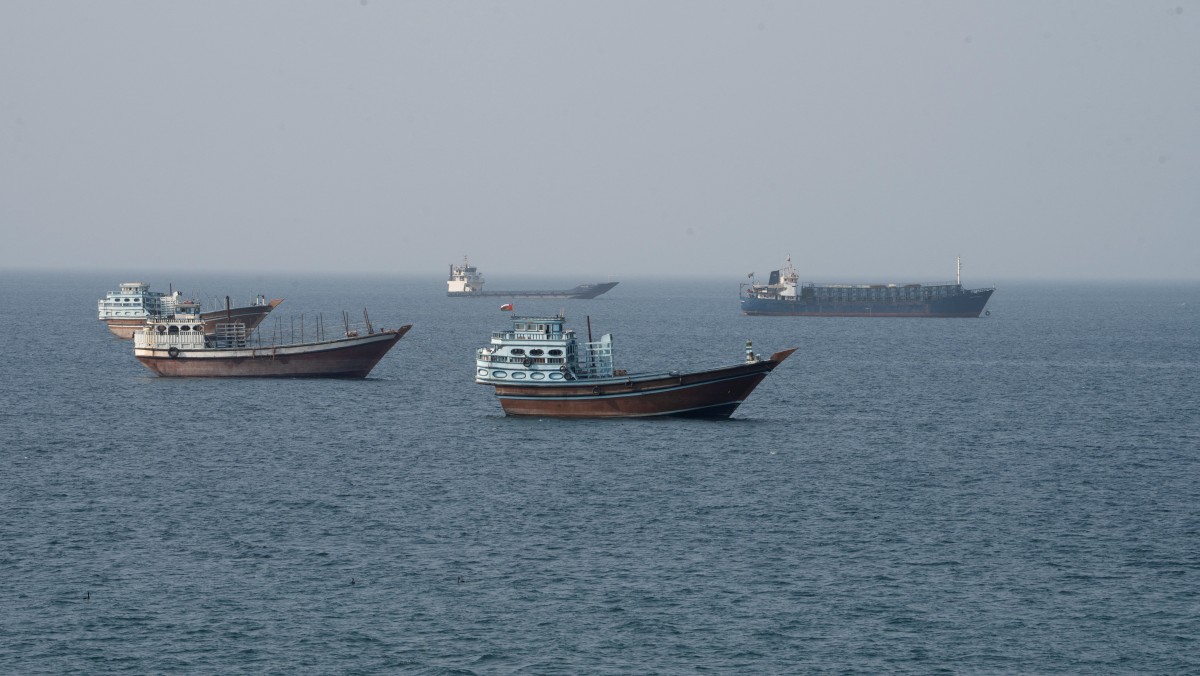 Context
A senior Iranian official stated on Tuesday that commercial vessels from India, China, Iraq, and Qatar have been exempted from transit restrictions in the Strait of Hormuz and can pass freely
星島頭條網 published Source publicationVietnamPluspublished ContextDespite Iran's exemption for Iraqi vessels to pass through the Strait of Hormuz, safety is not guaranteed due to ongoing military tensions and attacks on commercial shipping in the Persian Gulf
VietnamPlus published Source publicationVietnamPluspublished ContextIran has confirmed that Iraqi vessels are permitted to transit the Strait of Hormuz, allowing them to navigate this crucial waterway despite ongoing regional conflict disruptions
VietnamPlus published 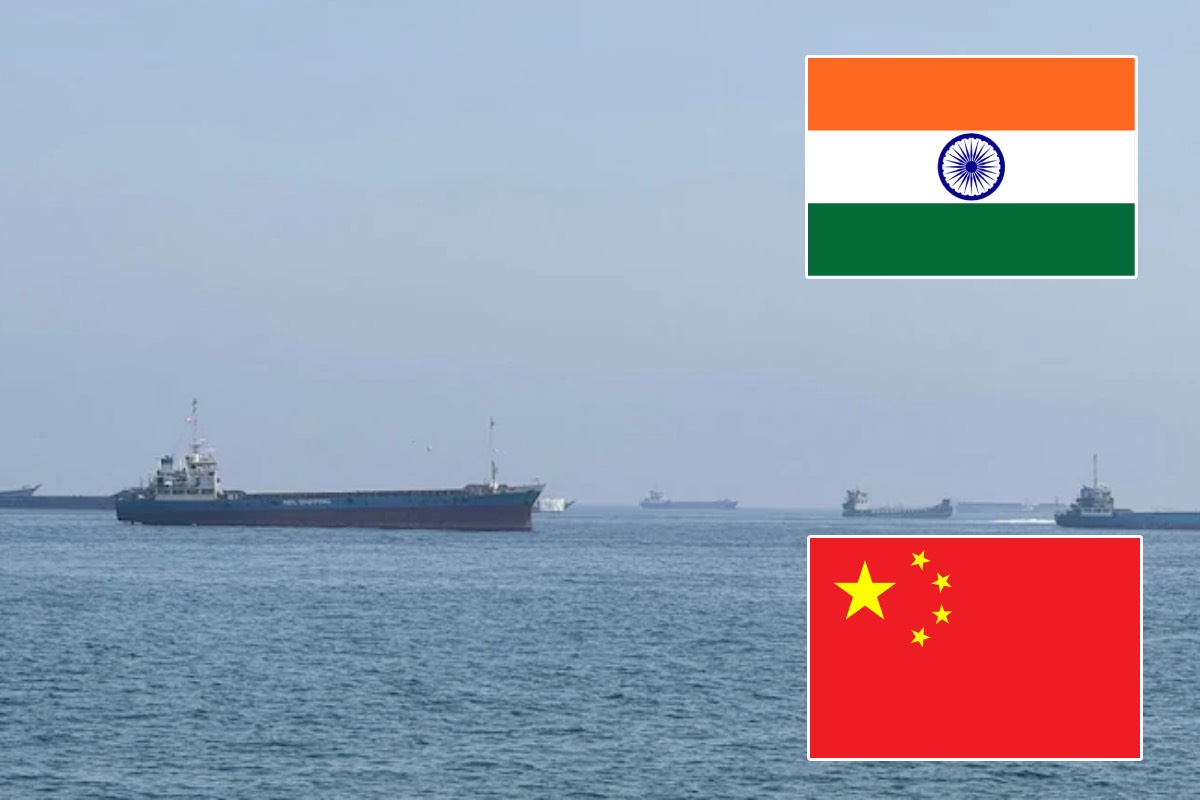 Context
Iran has granted exemptions from transit restrictions on commercial vessels in the Strait of Hormuz to four countries: India, China, Iraq, and Qatar
Lankasri News published Source publicationIraqi Newspublished ContextAmir Moqaddam, Deputy Head of the Iranian Parliament's National Security and Foreign Policy Committee, stated on Tuesday that Iraq, China, India, and Qatar have been granted exemptions allowing their vessels to pass through the Strait of Hormuz
Iraqi News published Source publicationSouth China Morning Postpublished ContextIran imposed restrictions on vessels in the Strait of Hormuz after the start of the US-Israel war on Iran in February
South China Morning Post published Source publicationstockbiz.vnpublished ContextIran is allowing commercial ships from China and three other countries to pass through the Strait of Hormuz without transit restrictions
stockbiz.vn published Source publicationشبكة الميادينpublished ContextAn official in the Iranian Revolutionary Guard Corps Navy announced on Monday that enemy navigation support systems in the southern Strait of Hormuz were destroyed
شبكة الميادين published  Context
Iranian Parliamentarian Amir Hayat Moqaddam, Deputy Chairman of the National Security and Foreign Policy Committee, announced that Iran has decided to allow merchant ships from China, India, Iraq, and Qatar to travel freely through the Strait of Hormuz without restrictions
VOV.vn published 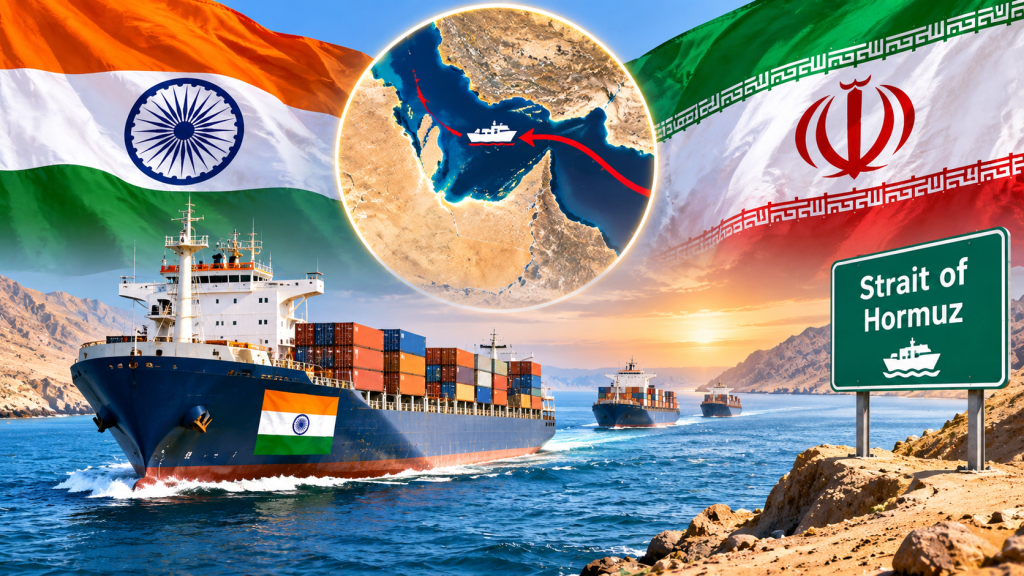 Context
After approximately eight months, Iran has permitted Indian ships to pass through the Strait of Hormuz
तरुण भरत दैनिक published 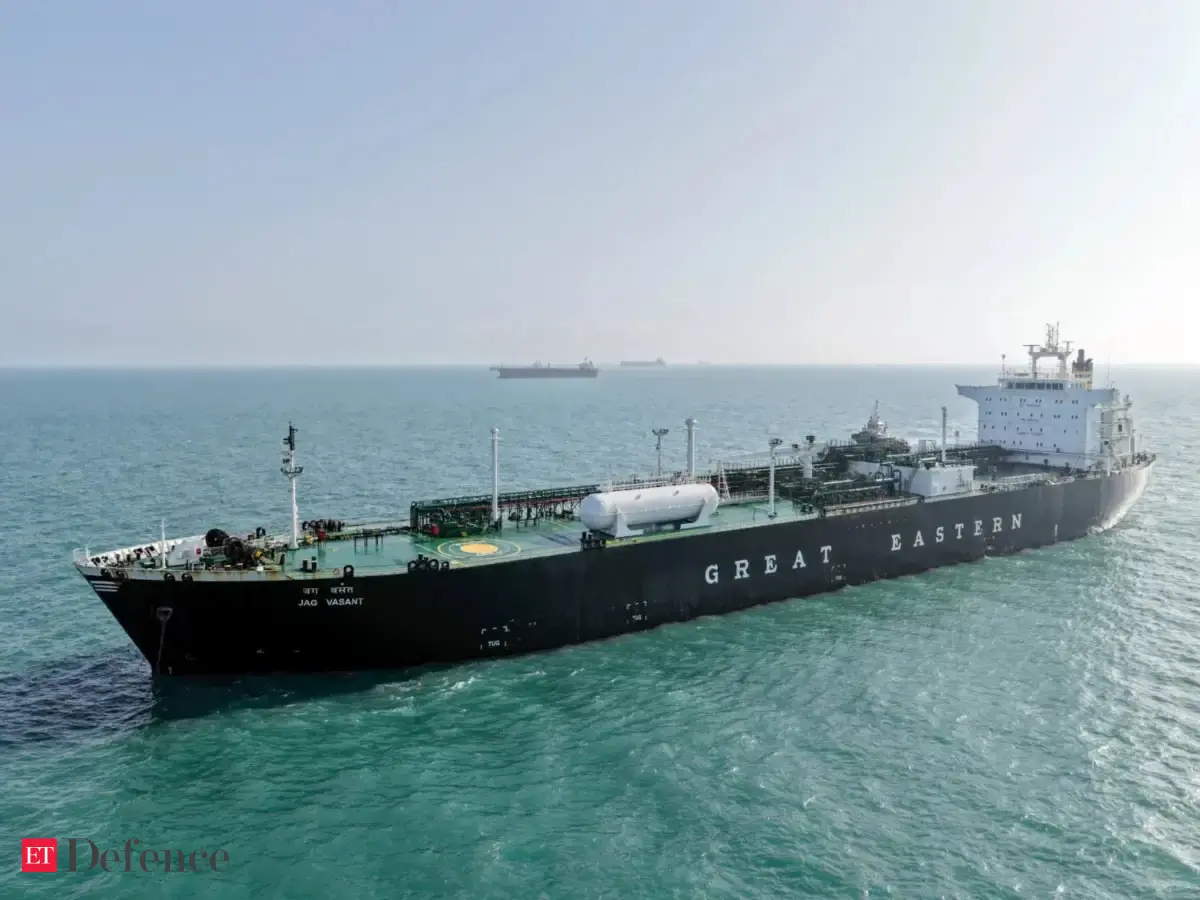 Context
Ahmad Hayat-Moghaddam, vice-chairman of the Iranian Parliament's National Security and Foreign Policy Committee, stated that Iran has 'pardoned' India, China, Iraq, and Qatar regarding the Strait of Hormuz, meaning they are free to navigate the waterway from Iran's perspective
Economic Times published  Context
Amir Hayat Moqaddam, deputy chairman of the Iranian parliament's National Security and Foreign Policy Committee, stated that India, China, Iraq, and Qatar are exempted from transit restrictions in the Strait of Hormuz, and ships from these countries pass freely without interception by Americans
mint published Source publicationPolymerupdatepublished ContextIran has exempted India, China, Iraq, and Qatar from transit restrictions in the Strait of Hormuz, allowing their energy vessels to pass freely without interception by American forces
Polymerupdate published Source publicationTribunStyle.compublished ContextAmir Hayat Moqaddam, the Deputy Chairman of the Iranian Parliament's National Security and Foreign Policy Committee, stated that ships from these four countries are permitted to transit the Strait of Hormuz
TribunStyle.com published Source publicationTribunStyle.compublished ContextMoqaddam told the Iranian Students' News Agency (ISNA) on Tuesday (November 3, 2026) that "We have currently exempted India, China, Iraq, and Qatar from transit restrictions in the Strait of Hormuz. Ships from these countries can pass freely, and the Americans also do not intercept them
TribunStyle.com published Source publicationDeutsche Wellepublished ContextData from the UK Maritime Trade Operations Center shows 325 reported transits through Hormuz between October 29 and November 4, an increase from the previous week but still roughly 65% below pre-war levels
Deutsche Welle published Source publicationDeutsche Wellepublished ContextAttacks in the Strait of Hormuz have put crews at risk and driven up energy shipping costs
Deutsche Welle published  Context
Amir Hayat Moghaddam, the Vice Chairman of the Iranian Parliament's National Security and Foreign Policy Committee, announced that ships from India, China, Iraq, and Qatar have been exempted from restrictions on passing through the Strait of Hormuz
punjabkesari published 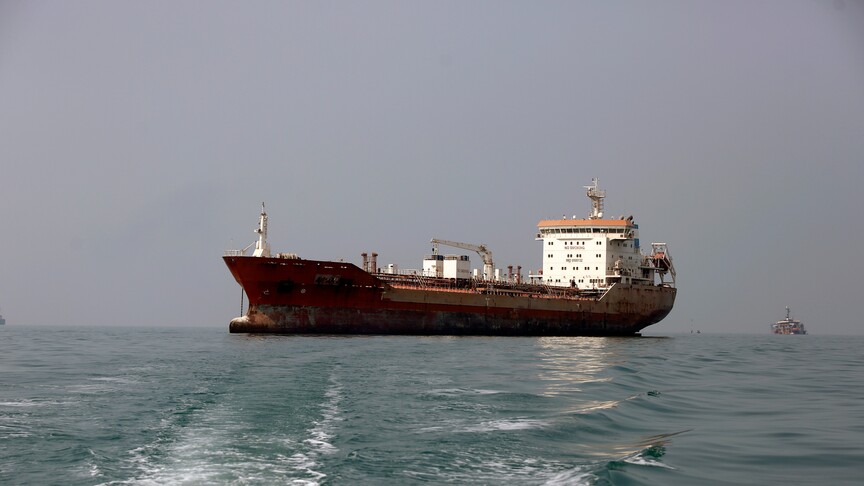 Context
Iran has exempted ships from India, China, Iraq, and Qatar from transit restrictions in the Strait of Hormuz, according to Amir Hayat Moqaddam, deputy chairman of the Iranian parliament's National Security and Foreign Policy Committee
Anadolu Ajansı published 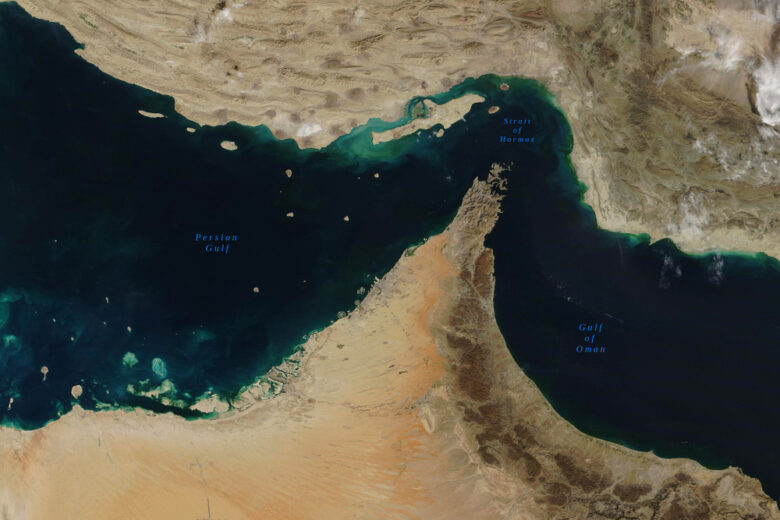 Context
Iran disrupts commercial navigation in the Strait of Hormuz, spikes global energy costs, and then demands an end to the US blockade, the restoration of oil export waivers, and the release of frozen assets to restore the status quo ante
World Israel News published
Who reported it 19 publishers, each setting its own name
- Deutsche Welle 6
- VietnamPlus 3
- Ambrey 2
- Iraqi News 2
- TribunStyle.com 2
- तरुण भरत दैनिक 2
- Anadolu Ajansı 1
- argusmedia.com 1
- Economic Times 1
- Lankasri News 1
- mint 1
- Polymerupdate 1
- punjabkesari 1
- South China Morning Post 1
- stockbiz.vn 1
- VOV.vn 1
- World Israel News 1
- شبكة الميادين 1
- 星島頭條網 1
What this brief cannot settle
This brief was assembled automatically from a research report that met a published quality bar. No individual review. It rests on 30 claims from 19 publishers; anything not reported in those sources is not represented here. The report recorded 6 resolution risks, listed with this brief.
Since the previous brief
Publication history (1 recorded revisions)
- Published · research dated
This is the first published brief for this event. No comparison is available.
More published research
Geopolitics ·
Will Ukraine agree to give up the rest of Donbas by June 30, 2027?
30 dated claims from 12 publishers are collected below, each with its source. 0 point toward YES and 4 against it; the rest are context. The research...
Geopolitics ·
Will the US strike 8 countries in 2026?
30 dated claims from 12 publishers are collected below, each with its source. 11 point toward YES and 0 against it; the rest are context. The research...
Geopolitics ·
Will North and South Korea engage in direct talks by December 31?
30 dated claims from 15 publishers are collected below, each with its source. 8 point toward YES and 6 against it; the rest are context. The research...